Artificial Intelligence continues to dominate headlines, with groundbreaking advancements in reasoning models, safety concerns, and the potential for AI to reshape society. Recently, OpenAI launched the o1-preview model, which significantly improves reasoning capabilities, marking another leap in AI’s ability to solve complex problems, from healthcare research to quantum optics . In parallel, debates around the role of AI in governance, ethics, and human rights are intensifying, as governments and tech companies worldwide race to ensure that AI remains beneficial and safe for all .
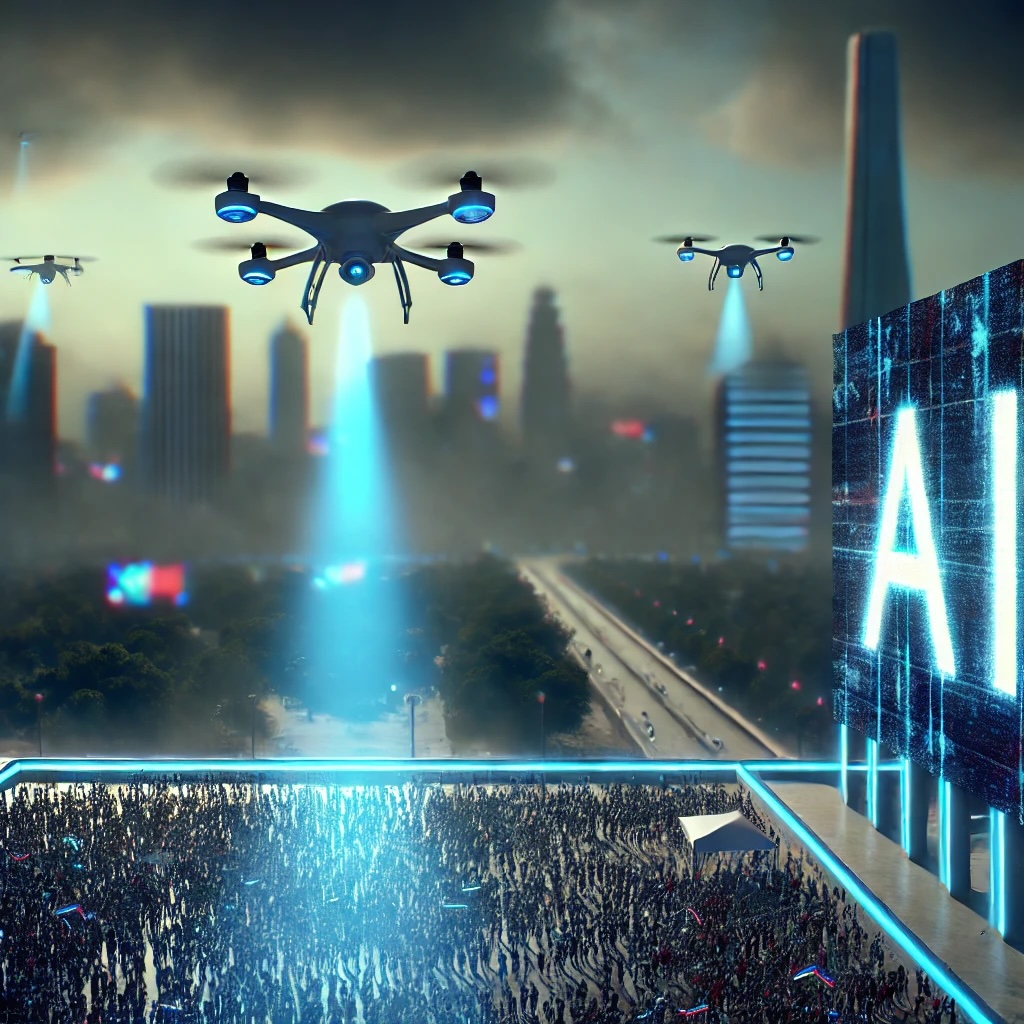
This mirrors the dystopian concerns explored in 2028: Tomorrow is the Day, where advanced AI plays a pivotal role in geopolitical power struggles. One chilling scenario from the book echoes real-world fears: AI drones surveilling cities, controlling populations, and influencing political outcomes—raising questions about privacy, freedom, and the fine line between protection and oppression. The technological leaps we see today, such as AI-powered surveillance tools and autonomous systems, blur the boundaries between innovation and dystopia, highlighting the need for ethical guardrails.
In 2028: Tomorrow is the Day, we follow characters grappling with the implications of advanced AI on their societies, asking whether humanity will be able to maintain control over these technologies or if AI will steer the future in unexpected ways. As we continue to push the boundaries of AI’s capabilities in the real world, the book serves as both a warning and an invitation to carefully consider the future we’re creating.
Leave a Reply